Difference between revisions of "User:Zhao Yashi"
m (Creating user page for new user.) |
Zhao Yashi (talk | contribs) |
||
| Line 1: | Line 1: | ||
| + | Chinese Folk Dance: Dai Ethic Dance | ||
| + | Dai Ethic Dance | ||
| + | In the fertile Lancang-Mekong River Basin in southwestern China, the Dai people express their national identity through dance. A bright pearl of Chinese national art, the Dai ethic dance vividly showcases the Dai people’s philosophy of life and spiritual world with its unique rhythm, profound cultural connotations, and distinctive vitality. Deeply rooted in the fertile soil of the Dai countryside in Xishuangbanna, Dehong and other parts of Yunnan, the most representative forms of Dai ethic dance are the peacock dance, the elephant foot drum dance and the Gaguang dance, together composing a magnificent chapter of Dai ethic dance art. | ||
| + | |||
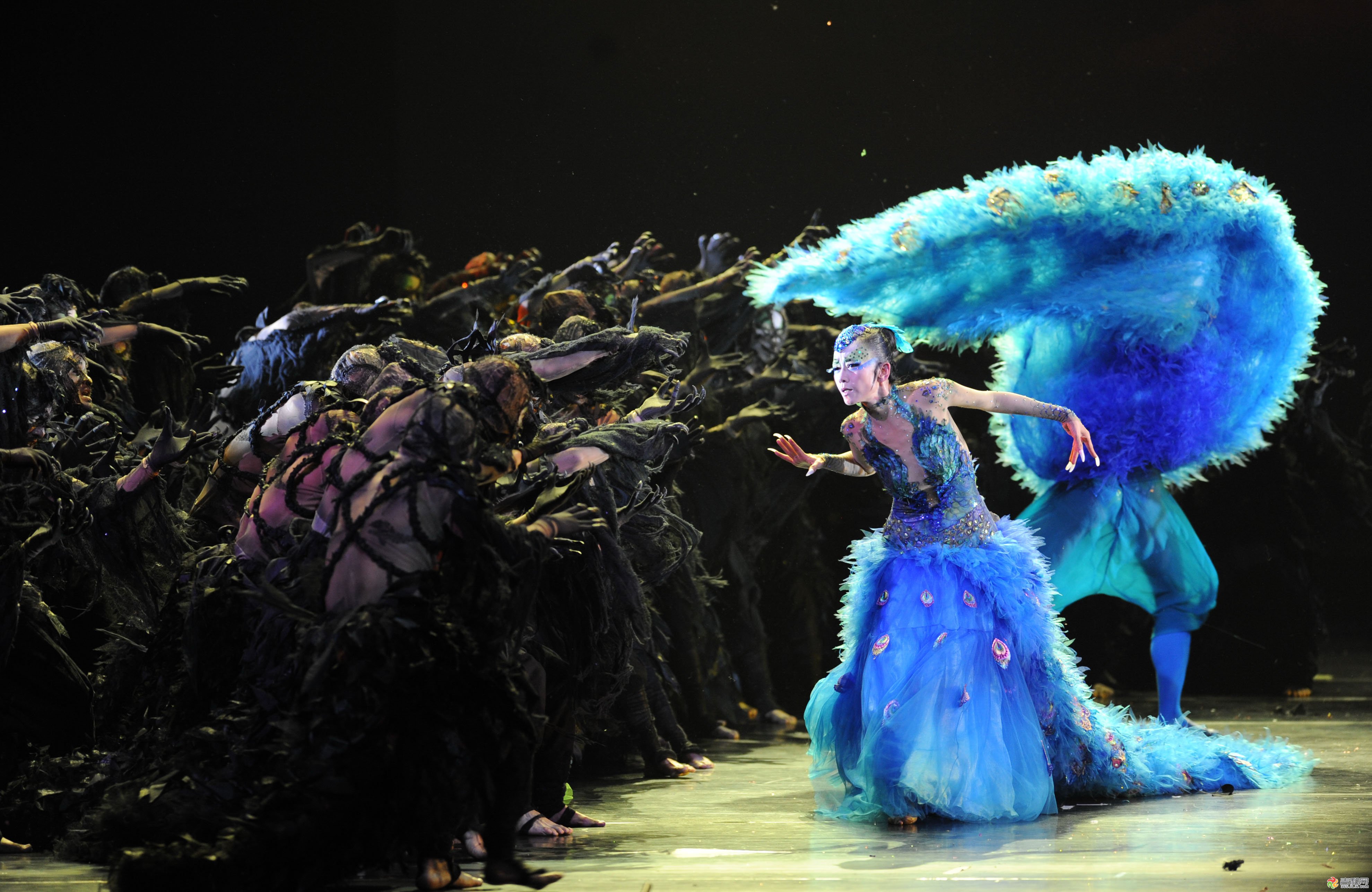
| + | A image of the Peacock Dance play Peacock from 360 Baike. Clic[ https://p2.ssl.qhimgs1.com/t013480614b4bcc9a7c.jpg]for original source. | ||
| + | The Peacock Dance is the soul of the Dai ethic dance art form. It is famous for its unrivalled lightness, softness and spirituality. Transcending simple animal imitation, it features a highly structured dance vocabulary comprising the “three bends” (smooth bending of the head, chest, waist, hips, knees and ankles) and the “one smooth side” movement (smooth movement of the same side of the hands and feet), as well as the dexterous “peacock’s beak” hand shape. These elements together elevate the charm of the peacock to a high level of artistry), and the “one smooth side” movement (the same-side movement of the hands and feet), together with the dexterous “peacock’s beak” hand shape, elevate the charm of the peacock to an artistic level. Dancers can interpret the solitude and elegance of a single peacock (Single Dance), the love of two peacocks (Double Dance) and the spectacle of a hundred peacocks singing together in a group dance. Peacock dance is an essential part of important festivals such as the Water Splashing Festival, the Closed Door Festival and the Open Door Festival, as well as religious ceremonies such as the Fine Buddha Dance. It connects the mundane and the sacred, conveying reverence for the beauty of nature and the desire for harmony and tranquillity (Lu Xinyi and Lu Qian, 2023, 118). | ||
Revision as of 16:16, 3 June 2025
Chinese Folk Dance: Dai Ethic Dance
Dai Ethic Dance In the fertile Lancang-Mekong River Basin in southwestern China, the Dai people express their national identity through dance. A bright pearl of Chinese national art, the Dai ethic dance vividly showcases the Dai people’s philosophy of life and spiritual world with its unique rhythm, profound cultural connotations, and distinctive vitality. Deeply rooted in the fertile soil of the Dai countryside in Xishuangbanna, Dehong and other parts of Yunnan, the most representative forms of Dai ethic dance are the peacock dance, the elephant foot drum dance and the Gaguang dance, together composing a magnificent chapter of Dai ethic dance art.
A image of the Peacock Dance play Peacock from 360 Baike. Clic[ https://p2.ssl.qhimgs1.com/t013480614b4bcc9a7c.jpg]for original source. The Peacock Dance is the soul of the Dai ethic dance art form. It is famous for its unrivalled lightness, softness and spirituality. Transcending simple animal imitation, it features a highly structured dance vocabulary comprising the “three bends” (smooth bending of the head, chest, waist, hips, knees and ankles) and the “one smooth side” movement (smooth movement of the same side of the hands and feet), as well as the dexterous “peacock’s beak” hand shape. These elements together elevate the charm of the peacock to a high level of artistry), and the “one smooth side” movement (the same-side movement of the hands and feet), together with the dexterous “peacock’s beak” hand shape, elevate the charm of the peacock to an artistic level. Dancers can interpret the solitude and elegance of a single peacock (Single Dance), the love of two peacocks (Double Dance) and the spectacle of a hundred peacocks singing together in a group dance. Peacock dance is an essential part of important festivals such as the Water Splashing Festival, the Closed Door Festival and the Open Door Festival, as well as religious ceremonies such as the Fine Buddha Dance. It connects the mundane and the sacred, conveying reverence for the beauty of nature and the desire for harmony and tranquillity (Lu Xinyi and Lu Qian, 2023, 118).