User:Li Xiaosu
Xiaosu Li, a second-year graduate student at Hunan Normal University specializing in English Interpretation, combines a love for language with an active lifestyle. Growing up inspired by their father’s involvement in football, Xiaosu developed a passion for sports, enjoying activities like badminton, table tennis, and most recently, swimming. With a dedication to both academics and physical fitness, Xiaosu aims to excel in the field of interpretation while continuing to embrace their enthusiasm for sports and outdoor activities.
Nov5,2024
Today I learn some words about rare animals.
Nov6,2024
Today I learn some words about transport.
Nov7,2024
Today I learn some tips to pronunciation.
Nov8,2024
Today I learn some words about flowers.
Nov9,2024
Today I learn some words about objects.
Nov10,2024
Today I learn to use CAT,like memoq and trados.
Nov11,2024
Today I learn some words about cities.
Nov12,2024
Today I learn some grammars.
Nov13,2024
Today I learn some claus.
Nov14,2024
Today I learn some long sentences.
Nov15,2024
Today I learn writing skills.
Nov16,2024
Today I practice oral english.
Nov17,2024
Today I learn some claus.
Nov18,2024
Today I learn some words about coffee.
Nov19,2024
Today I learn some verbs.
Nov20,2024
Today I learn some adjs to describe looking.
Nov21,2024
Today I learn some words about color.
Nov22,2024
Today I practice speaking.
Nov23,2024
Today I practice writing.
Nov24,2024
Today I learn some difficult claus.
Nov25,2024
Today I learn some advs.
Nov26,2024
Today I learn some claus.
Nov27,2024
Today I learn some adjs.
Nov28,2024
Today I learn writing.
Nov29,2024
Today I learn some claus.
Nov30,2024
Today I learn some claus.
Dec1,2024
Today I learn some claus.
Dec2,2024
Today I learn some claus.
Dec3,2024
Today I practice oral english for 3 hours.
Dec4,2024
Today I do nothing related to english learning.
Dec5,2024
Today I learn some claus.
Dec6,2024
Today I attend a lecture.
Dec7,2024
Today I do some exercises.
Dec8,2024
Today I memorize 100 english words.
Dec9,2024
Today I learn some noun claus.
Dec10,2024
Today I use TALK AI to help me.
Dec11,2024
Today I read a news report from Reuters.
Dec12,2024
Today I learn some claus.
Dec13,2024
Today I memorize 100 english words.
Dec14,2024
Today I do a english presentation with the help of Chatgpt 4.0.
Dec15,2024
Today I practice oral english for 2 hours.
Dec16,2024
Today I use TALK AI to help me practice IELTS speaking test.
Dec17,2024
Today I watch IELTS classes online.
Dec18,2024
Today I learn some words related to accommodation and transportation.
Dec19,2024
Today I finish a listening test.
Dec31,2024
Final paper
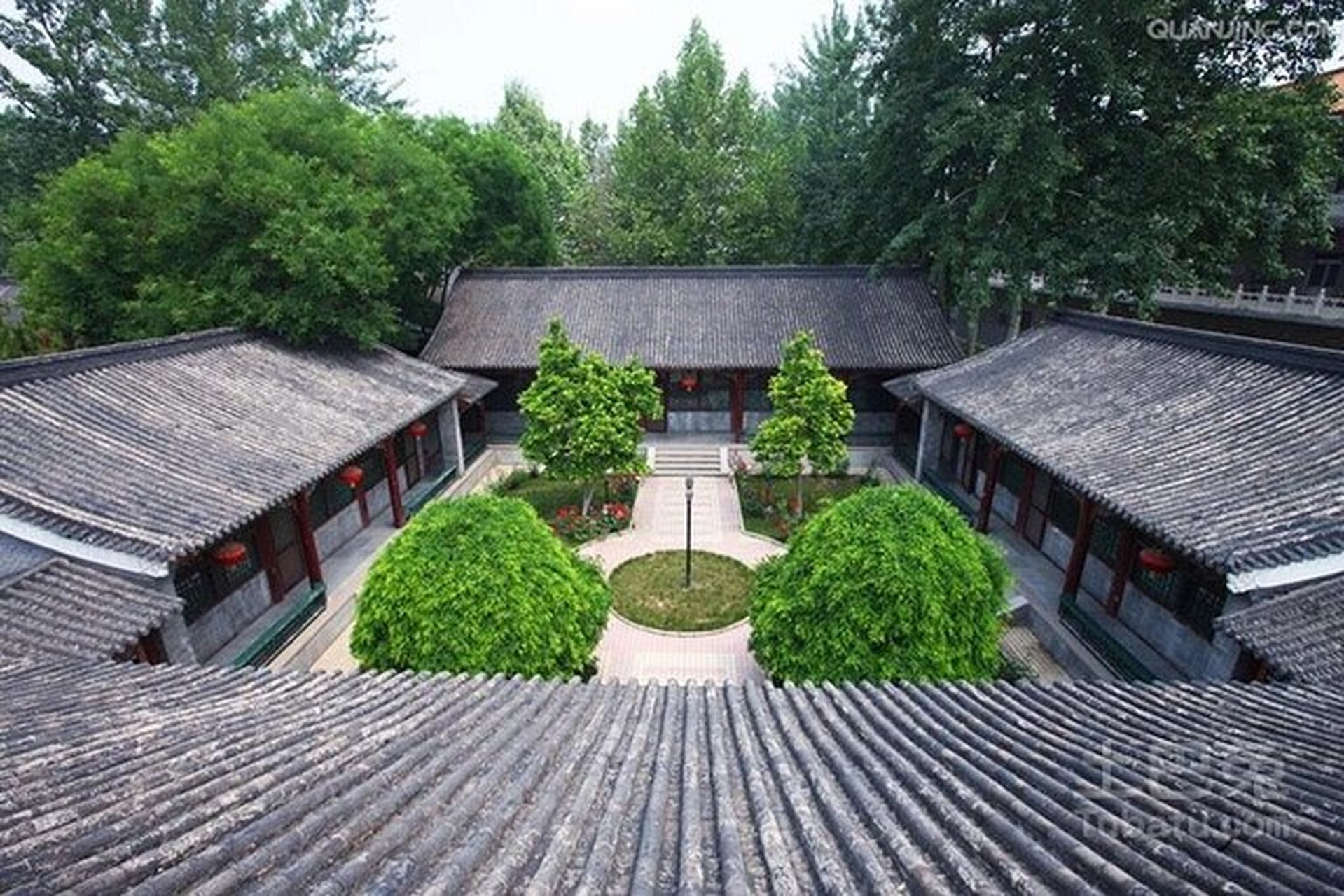
Title: Chinese Courtyard Houses (中国四合院) Student Name: Li Xiaosu Abstract: Chinese courtyard houses, known as Siheyuan (四合院), are iconic representations of China's traditional architecture and culture. Rooted in Confucian principles, these houses emphasize family hierarchy, unity, and harmony with the environment. This paper delves into the historical evolution, unique structural features, and symbolic significance of Siheyuan. It also examines the philosophical underpinnings, daily practices, and aesthetic principles that define these spaces. Finally, it reflects on the preservation challenges and modern adaptations of Siheyuan in contemporary society, offering insights into their global relevance and enduring appeal. Main Part: 1. Historical Background: The origins of Siheyuan date back to the Western Zhou dynasty (1046–771 BCE), evolving over centuries to become the standard residential structure during the Ming (1368–1644) and Qing (1644–1912) dynasties. These homes were not just living spaces but also physical manifestations of social and moral order. The layout reinforced filial piety and hierarchical respect, core values of Confucianism. Literary works like Dream of the Red Chamber (Honglou Meng) highlight how Siheyuan encapsulated familial harmony and societal norms. In these texts, the design of a family’s compound mirrors the relationships and values of its inhabitants, illustrating the profound cultural and philosophical significance of these architectural spaces. (Wang 2020, 445) 2. Architectural Features: Siheyuan are characterized by their quadrangular layout, with buildings surrounding a central courtyard. The main house (Zhengfang) occupies the northern position, reserved for the family’s elders, symbolizing respect and authority. Side wings (Xiangfang) accommodate younger generations, while the southern building (Daofang) serves as guest quarters or storage. The design aligns with Feng Shui, ensuring harmony with nature. The south-facing orientation maximizes sunlight, while the courtyard provides ventilation and a communal space. Decorative elements, such as carved beams and painted panels, often feature auspicious motifs like dragons and phoenixes, symbolizing protection and prosperity. (Zhang 2018, 230) Additionally, the symmetry of Siheyuan reflects the Chinese preference for balance and order, key tenets of Confucian and Daoist thought. The walls surrounding the compound not only provide security but also create a sense of exclusivity, demarcating the family’s private world from the outside. The materials used in Siheyuan construction further underscore their cultural depth. Bricks, tiles, and wood were carefully chosen not only for functionality but also for their symbolic associations with strength, resilience, and harmony. 3. Cultural Symbolism: The hierarchical layout of Siheyuan reflects Confucian principles, emphasizing respect for elders and collective family life. The courtyard serves as the heart of the household, a space for rituals, gatherings, and shared experiences. It embodies the notion of renqing (人情), or human feelings, fostering emotional connections among family members. Philosophical ideas like Yin-Yang and the Five Elements (Wu Xing) are deeply embedded in Siheyuan. For instance, the balance between open courtyards (Yang) and enclosed spaces (Yin) represents harmony. Additionally, materials and orientation reflect Wu Xing principles, fostering a holistic environment. (Liu 2019, 312) The cultural importance of Siheyuan extends to its role in shaping social interactions. The clear spatial divisions dictate appropriate behaviors, ensuring that familial respect and harmony are maintained. For example, the elders' quarters command respect, while the courtyard facilitates communal bonding through activities like tea ceremonies and ancestor worship. 4. Daily Practices in Siheyuan: Life in a Siheyuan followed strict customs and etiquette. Each family member’s role was spatially defined, with elders occupying the most prestigious spaces. Activities like tea ceremonies, ancestor worship, and seasonal festivals were often conducted in the courtyard, reinforcing family bonds and traditions. Household maintenance also reflected cultural values. For example, the courtyard’s cleanliness symbolized the family’s moral uprightness. Even the placement of plants, such as plum trees or bamboo, carried symbolic meanings tied to resilience and virtue. The inclusion of fish ponds or rock gardens further enhanced the aesthetic and philosophical dimensions of these spaces. Moreover, the aesthetic principles of Siheyuan were closely tied to the idea of jing (静), or tranquility. The design and maintenance of these spaces were intended to create an environment conducive to reflection and harmony. 5. Cross-Cultural Comparison: While Siheyuan share similarities with Western courtyard houses, such as Roman atrium homes, their purposes and designs differ significantly. Roman houses often emphasized public display and wealth, with open courtyards visible from the entrance. In contrast, Siheyuan prioritize privacy and familial intimacy, aligning with collectivist values. (Smith 2017, 120) These contrasts highlight the influence of cultural philosophies on architectural practices, illustrating how different societies address universal needs for communal living. Moreover, the enduring appeal of both styles underscores their success in fostering human connections through shared spaces. 6. Modern Relevance and Preservation: The rapid urbanization of China has endangered Siheyuan. Many have been demolished to make way for modern developments, while others face neglect. However, efforts to preserve and repurpose these structures have gained momentum. Some Siheyuan have been converted into cultural centers, boutique hotels, or private residences, blending traditional aesthetics with contemporary functionality. Modern architects are also revisiting the courtyard concept, incorporating it into sustainable housing designs. These adaptations ensure that the essence of Siheyuan remains relevant in today’s world. For instance, the central courtyard is being reimagined as a communal space in modern apartment complexes, fostering a sense of community akin to its traditional role. (Chen 2021, 410) Additionally, digital preservation initiatives, such as 3D modeling and virtual reality tours, are being employed to document and share the cultural heritage of Siheyuan globally. These technologies not only raise awareness but also inspire innovative architectural practices rooted in tradition. 7. Global Relevance: Beyond China, the principles of Siheyuan resonate globally, offering insights into sustainable design and community living. Architects and urban planners worldwide can draw inspiration from its emphasis on balance, privacy, and communal harmony, applying these lessons to address modern housing challenges. The Siheyuan serves as a reminder of the universal need for spaces that nurture both individuality and collective well-being. http://img1.baidu.com/it/u=3865371863,2597055241&fm=253&app=138&f=JPEG?w=973&h=703 https://img0.baidu.com/it/u=2569130074,3372136459&fm=253&fmt=auto&app=138&f=JPEG?w=1067&h=800 https://b0.bdstatic.com/2e126407ff58e6ca2cc77641ecf29535.jpg@h_1280 Terms and Expressions: Siheyuan (四合院): Traditional Chinese courtyard house. Zhengfang (正房): Main northern building. Xiangfang (厢房): Side buildings. Daofang (倒房): Southern building. Feng Shui (风水): Chinese geomantic principles. Yin-Yang (阴阳): Traditional Chinese dualistic philosophy. Wu Xing (五行): Five Elements Theory in Chinese cosmology. Renqing (人情): Human feelings and emotional connections. Jing (静): Tranquility or stillness. Questions: 1.How does the design of Siheyuan reflect Confucian family values? 2.What philosophical principles are embedded in Siheyuan architecture? 3.How can Siheyuan be preserved in modern cities? 4.What global lessons can be drawn from the Siheyuan model? Answers: 1.The layout reinforces respect for elders and family unity, central to Confucian ideals. 2.Principles like Yin-Yang and Wu Xing ensure balance and harmony within the design. 3.Strategies include adaptive reuse, integrating courtyard concepts into modern housing, and government-led conservation programs. 4.The emphasis on balance, privacy, and community offers valuable insights for sustainable urban planning. References: 1.Wang, Wei (2020). Traditional Chinese Architecture: Principles and Practices. Beijing University Press. 2.Zhang, Li (2018). Chinese Courtyard Houses: History and Modern Adaptations. Shanghai Press. 3.Liu, Ming (2019). Confucian Ideals in Traditional Chinese Housing. Cultural Heritage Journal. 4.Smith, John (2017). Courtyard Architecture: A Comparative Study of Eastern and Western Traditions. Routledge. 5.Chen, Hua (2021). Urbanization and Heritage Preservation in China. Academic Press. AI Statement: This paper was developed with the assistance of ChatGPT as a supplementary tool. I used ChatGPT to outline the main structure of the paper and generate preliminary content based on my prompts, such as “Provide an analysis of the historical and cultural significance of Siheyuan.” The AI provided valuable initial insights, including a proposed structure and suggestions for key points of discussion. After receiving the AI-generated output, I conducted thorough independent research to ensure academic rigor. This included refining cultural analyses, incorporating nuanced interpretations of Confucian principles, and adding cross-cultural comparisons with Western architectural styles. I also manually integrated academic references to support the arguments and expanded sections on preservation strategies and global relevance. While ChatGPT played a supportive role in generating ideas and language, the final content reflects my analytical contributions, critical revisions, and alignment with the academic expectations of this course. This collaborative approach allowed me to achieve a balance between leveraging innovative tools and maintaining the integrity of traditional research methods.